


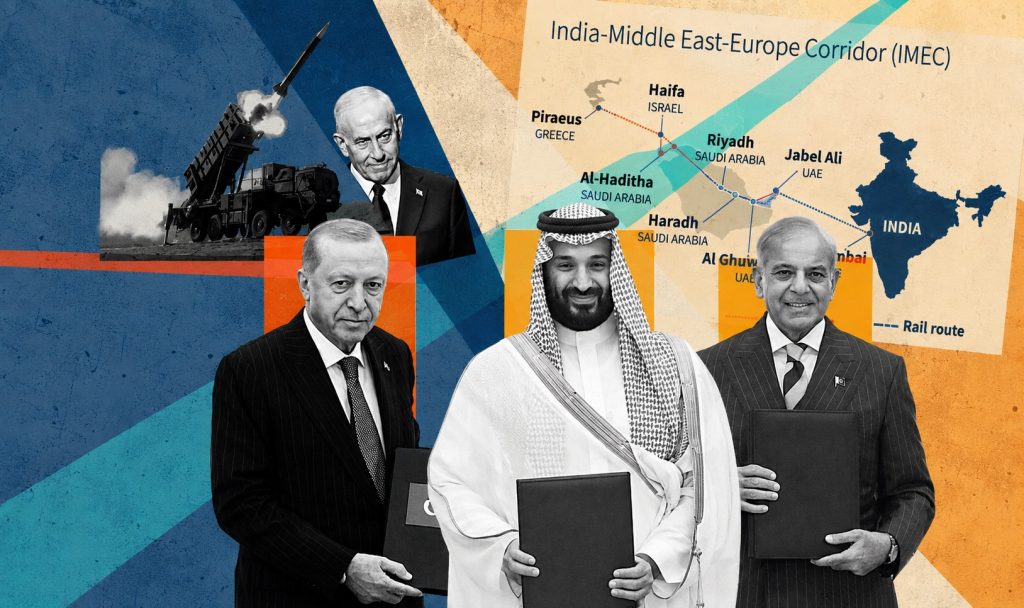


Five months into the conflagration, the strategic landscape admits no comfortable summary. The United States and Israel launched joint strikes against Iran on 28 February 2026, initiating what was projected to be a brief, decisive campaign. The campaign has not been brief. It has not been decisive. It has cost tens of billions of dollars and climbing. Nineteen American service members are dead; 482 are wounded; 42 aircraft have been lost. The United States has struck more than 9,000 targets and sunk 140 Iranian naval vessels. And yet the war continues. The Strait of Hormuz has been effectively closed since 4 March, with 1,550 vessels stranded and 22,500 mariners trapped. The Houthis have resumed attacks on Red Sea shipping through the Bab el-Mandeb, threatening to sever millions of barrels per day of Saudi crude exports. Iranian missiles have struck Kuwait, Bahrain, Jordan, and Qatar. A ceasefire brokered by Pakistan on 8 April collapsed on 8 July. New American strikes commenced on 22 July; the House of Representatives voted to limit the war on 23 July.


.png)