Δείτε περισσότερα στο reuters.com
Βιβλιογραφία
"Κοτομπουκιές":
https://www.engadget.com/kfc-bioprinted-chicken-nuggets-192145210.html
https://global.kfc.com/press-release/meat-of-the-future-kfc-and-3d-bioprinting-solutions-to-use-a-bioprinter-to-produce-kfc-nuggets
https://www.zerohedge.com/technology/meat-future-kfc-3d-printing-chicken-nuggets
Λαχανικά:
https://www.realagriculture.com/2020/07/salad-and-sandwich-lettuce-for-wendys-to-come-from-alberta-greenhouse/
https://www.agdaily.com/news/wendys-greenhouse-hydroponic-tomatoes/
Soylent:
https://soylent.com/
https://www.vice.com/en_us/article/kbkn5x/cockroach-milk-is-the-protein-drink-of-the-future
https://www.thescottishfarmer.co.uk/news/18600233.smart-money-invest-insect-protein/
Μητρικό γάλα:
https://www.sciencetimes.com/articles/26137/20200620/billionaires-invest-environmentally-friendly-artificial-breast-milk-cultured-human-mammary.htm
https://www.foodnavigator-usa.com/Article/2020/07/01/TurtleTree-Labs-in-talks-with-dairy-infant-formula-brands-to-license-cell-cultured-human-breastmilk-technology
https://thecounter.org/cell-cultured-breastmilk-is-real-and-its-spectacular/
Παχυσαρκία:
https://www.independent.co.uk/news/uk/politics/junk-food-adverts-ban-watershed-obesity-coronavirus-a9635476.html
Πηγή: iceagefarmer.com
Επανάσταση ή τρόμος: Η Σιγκαπούρη ενέκρινε την πώληση κρέατος από εργαστήριο

Η Σιγκαπούρη έδωσε το πράσινο φως στην αμερικανική start-up εταιρεία Eat Just για την πώληση κρέατος κοτόπουλου που έχει παρασκευασθεί σε εργαστήριο, δίνοντας για πρώτη φορά παγκοσμίως ρυθμιστική έγκριση για την κυκλοφορία στην αγορά του λεγόμενου «καθαρού» κρέατος που δεν προέρχεται από σφαγμένα ζώα.
Η Eat Just, η οποία εργάζεται πάνω στο σχέδιο αυτό για την παραγωγή εργαστηριακού κρέατος από ζωϊκά κύτταρα, ανακοίνωσε ότι το τεχνητό κρέας κοτόπουλου που παρασκευάζει έλαβε άδεια για πώληση από την υπηρεσία διατροφικής ασφάλειας της Σιγκαπούρης.
Το κρέας αυτό, το οποίο θα πωλείται σε μορφή κοτομπουκιών, θα κοστολογηθεί σε τιμές κοτόπουλου υψηλής ποιότητας όταν θα πρωτοκυκλοφορήσει σε κάποιο εστιατόριο της Σιγκαπούρης «στο άμεσο μέλλον», δήλωσε ο συνιδρυτής και διευθύνων σύμβουλος της εταιρείας Τζος Τέτρικ.
Πρόκειται για «μια πρόοδο για την παγκόσμια βιομηχανία τροφίμων», υπογραμμίζει η Eat Just σε σημερινή ανακοίνωσή της, καθώς πολλές εταιρείες αναζητούν τρόπους παραγωγής κρέατος με μικρότερο αντίκτυπο στο περιβάλλον.
«Η Eat Just είχε υποβάλει αίτημα έγκρισης», επιβεβαίωσε σήμερα η υπηρεσία διατροφικής ασφάλειας της Σιγκαπούρης, σημειώνοντας ότι το προϊόν της αμερικανικής εταιρείας «κρίθηκε κατάλληλο για κατανάλωση στις προβλεπόμενες ποσότητες και εγκρίθηκε η πώλησή του στην Σιγκαπούρη ως συστατικό των κοτομπουκιών Eat Just».
Η κατανάλωση κρέατος αναμένεται να αυξηθεί κατά 70% ως το 2050, σύμφωνα με την νεοφυή εταιρεία, την ώρα που οι επιστήμονες προειδοποιούν ότι η τάση αυτή αποτελεί έναν από τους κύριους μοχλούς της κλιματικής αλλαγής.
«Είμαι πεπεισμένος ότι η έγκριση των αρμόδιων ρυθμιστικών αρχών για το κρέας που παρασκευάζουμε εργαστηριακά θα είναι η πρώτη από μια σειρά στην Σιγκαπούρη και σε άλλες χώρες στον κόσμο», πρόσθεσε ο Τέτρικ, σημειώνοντας ότι η Eat Just, η οποία έχει την έδρα της στο Σαν Φρανσίσκο, έχει επίσης συνομιλίες με τις αμερικανικές ρυθμιστικές αρχές.
Δεκάδες νεοφυείς επιχειρήσεις στον κόσμο εργάζονται πάνω σε σχέδια για τη δημιουργία τεχνητού κρέατος, αλλά η παραγωγή είχε μείνει μέχρι στιγμής στο πειραματικό στάδιο.
«Σε συνεργασία με τον αγροτικό τομέα στο σύνολό του και με μακρόπνοες πολιτικές, εταιρείες όπως η δική μας μπορούν να βοηθήσουν να ανταποκριθούμε στην αυξανόμενη ζήτηση για ζωϊκές πρωτεΐνες ενός πληθυσμού που θα φτάσει τα 9,7 δισεκατομμύρια ως το 2050», υπογράμμισε ο Τέτρικ.
Με πληροφορίες από AFP-Reuters μέσω ΑΠΕ-ΜΠΕ Σιγκαπούρη, Σιγκαπούρη hellasjournal.com
McDonald’s will offer completely 3D printed burgers by 2020
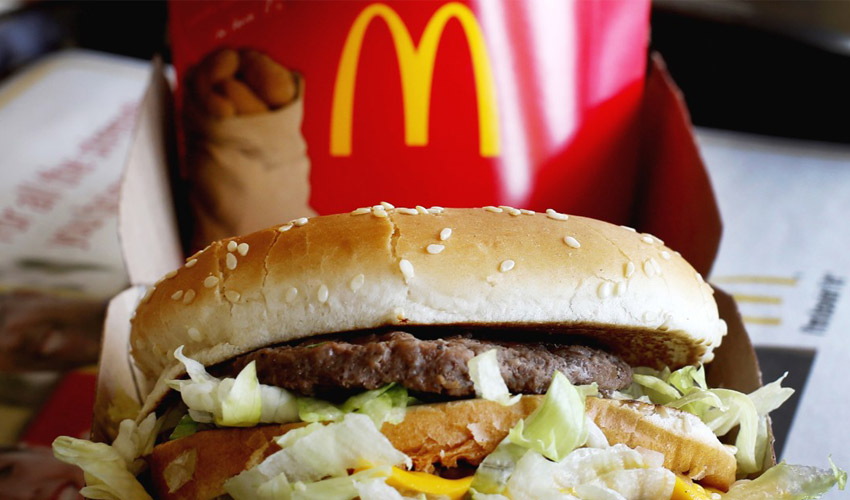
Fast food giant McDonald’s has just announced the creation of a brand new 3D printed burger, its 3D Mic Mac. Restaurants should be equipped with 3D printers by the end of 2020 in order to offer this customisable hamburger. According to the company, 3D Mic Mac can be preserved for longer than traditional burgers, significantly reducing kitchen waste while maintaining the original Big Mac flavour. The 3D Mic Mac will be offered with meat or a tofu alternative to address the growing demand from vegetarians today.
A few years ago, McDonald’s announced that it would print its Happy Meal toys in 3D, giving children the opportunity to choose directly what they really like. The American chain wants to go further and use 3D technologies directly in the kitchen: by offering a customisable burger that is easy to prepare and above all more durable. In fact, the 3D printed burger should have a longer shelf life to avoid being thrown away too quickly, as is unfortunately the case in many restaurants. The chain is very aware of this problem and often criticised on this subject. 3D printing could allow it to rethink the supply chain.
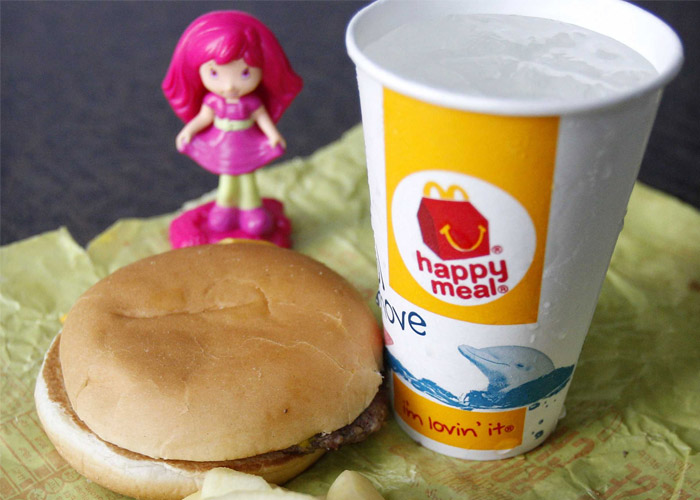
3D Mic Mac, a long thought-out project
In an official press release, John Catfish, Global Technology Senior Auditor, said: “We have been studying 3D food printing in our restaurants for the last 3 years. We aim to equip our kitchens in the United States by the end of 2020 and offer a customisable burger. We had some difficulties with the printing of the meat, especially in the preservation of amino acids and myoglobins, but our teams are confident – we have succeeded in printing the rest of the ingredients, including tofu, in 3D.”
McDonald’s says that the ingredients of 3D Mic Mac will all be printed in 3D, from meat, onions, to tomatoes and bread. The sauce will be the only component to be added by hand – its viscosity did not allow it to be extruded optimally. The company remains quite discreet about the technology and 3D printer used, but explains that it has worked with one of the leading manufacturers of food-based 3D printers on the market. Leslie Trout, Product Manager at McDonald’s, says: “We are working with a European manufacturer of food 3D printers who has developed various machine prototypes for us, adapted to our current needs. The challenge was the consistency of our ingredients, which was different every time – our partner designed a nozzle capable of extruding these mixtures and above all a tray that adhered to the materials.”
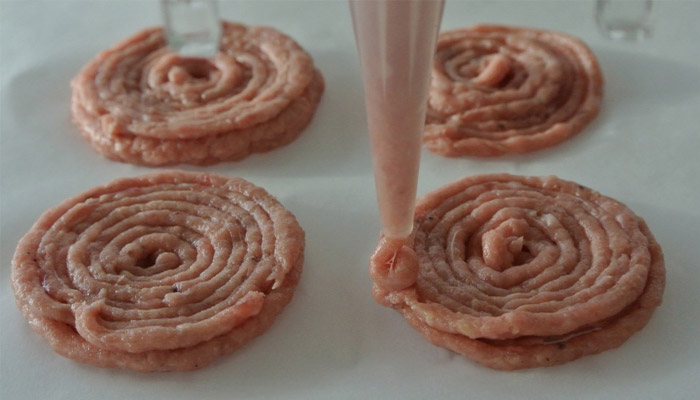
3D printing to reduce food waste
But why choose 3D printing when we know that some processes take a longer time to produce the final part? Actually, the technology should allow McDonald’s to redesign its supply chain by creating the necessary amount, thereby significantly reducing the amount of waste in the kitchen. The company explains that it has developed a formulation that allows it to better preserve these 3D printed burgers while retaining their flavour. No need to throw burgers away if they are not eaten within minutes of preparation! They can even be prepared in advance. Mike Turbot, Quality Engineer at McDonald’s, concludes: “3D printing will enable us to meet the challenges of our consumer society. We will be able to produce the right amount while preserving the flavour of the food. It is a fascinating technology with significant advantages in the food industry and we are proud to be the first fast food chain to offer it!”
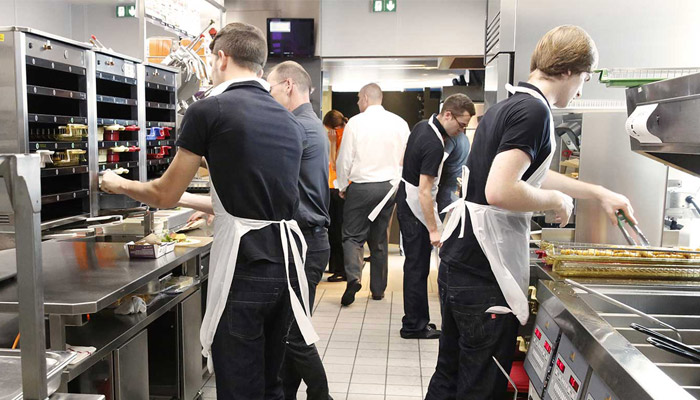
McDonald’s is expected to launch its first 3D Mic Mac with meat or tofu in 2020 in the US. Find more information on the official website of the company HERE.
Would you try McDonald’s 3D printed burgers? Let us know what you think in a comment below or on our Facebook and Twitter pages! Don’t forget to sign up for our free weekly Newsletter, with all the latest news in 3D printing delivered straight to your inbox!
Source: https://www.3dnatives.com/en/mcdonalds-3d-printing-010420195/
.png)